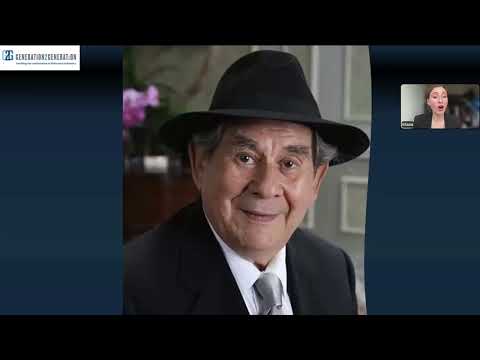
The Story of Max Ostro 1926 – 2010
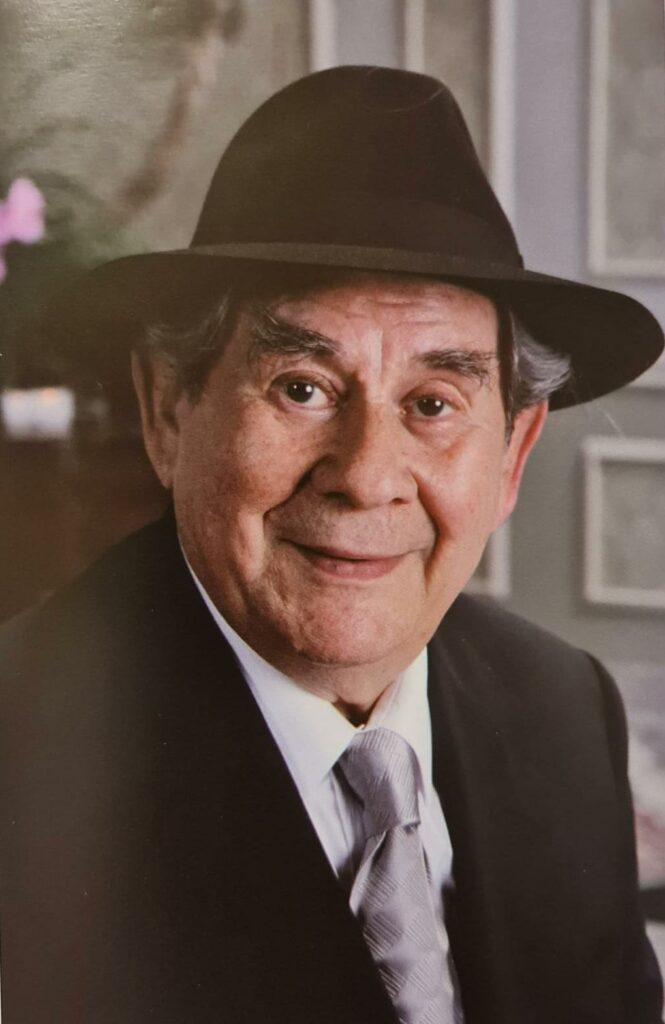
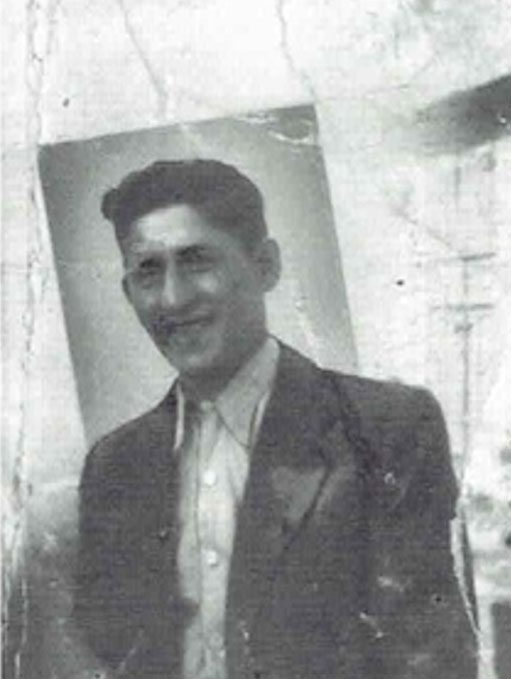
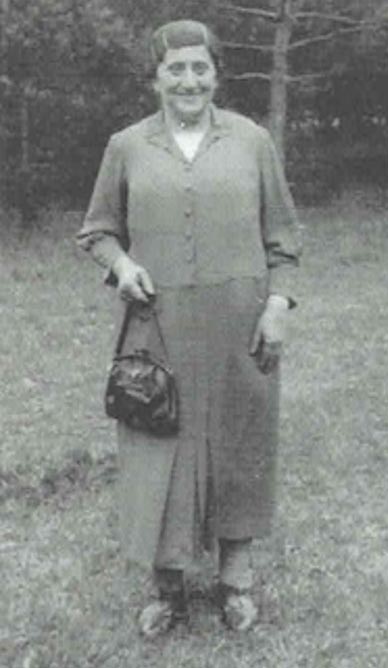
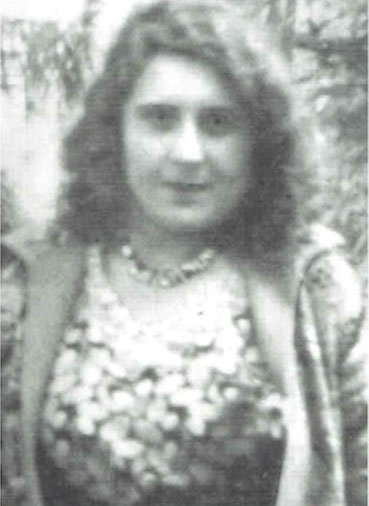
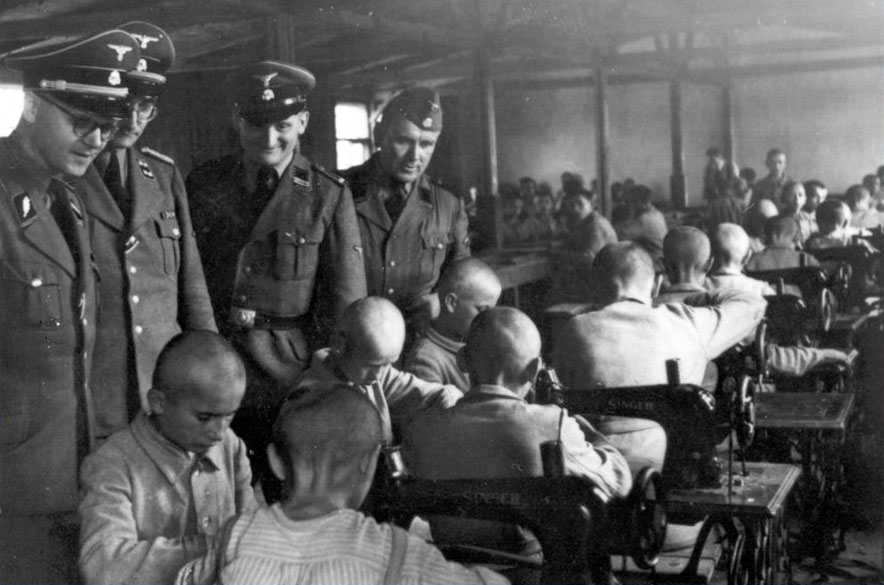
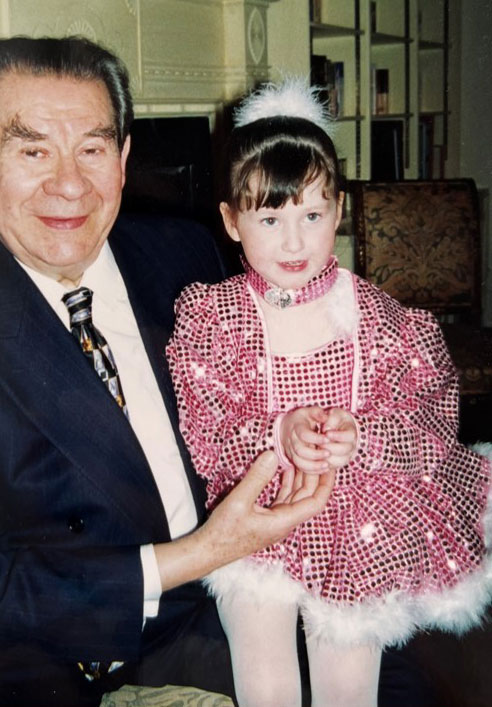
Max Ostro was born in 1926 in Szydlowiec, a small town in southern Poland. His family ran a hardware business until the Nazis invaded, deporting Jews first to labour camps and then, as the war progressed, to death camps.
Max, his parents, and younger brother, were herded into a cattle car bound for Treblinka. Max’s parents insisted their sons jump from the train. Sick with typhus and surrounded by armed Nazis, teenager Max faced an impossible choice. With no real alternative, he leapt. He was injured when his head struck the track, but his hat cushioned the blow. Following his father’s plan, he retraced the route to find his brother, but never saw him again.
Alone, feverish, and freezing, Max knocked on doors. Most remained shut; one opened only for the occupants to attack him. Captured, bloodied, and delivered to the police, Max experienced a miracle: the officer recognised him from Szydlowiec and knew his family had been wealthy. Desperate, he promised a bribe he didn’t know he could pay. Instead of a death camp, he was sent to a labour camp.
There he posed as a metalworker, endured starvation, and plotted escape. Eventually he fled under cover of night and found refuge with a factory worker who hid him despite enormous risk. With Nazis close by, the worker panicked and wanted Max gone. They compromised; he hid in a shallow pit where he survived for over two months on water and burnt potatoes.
After liberation, Max returned briefly to his shattered home before leaving Poland. He met his wife and together they raised a son and a daughter – an improbable continuation of a life he was never meant to survive. He ran a minerals business but was unable to settle, living in over twenty countries. He died in London in 2010.
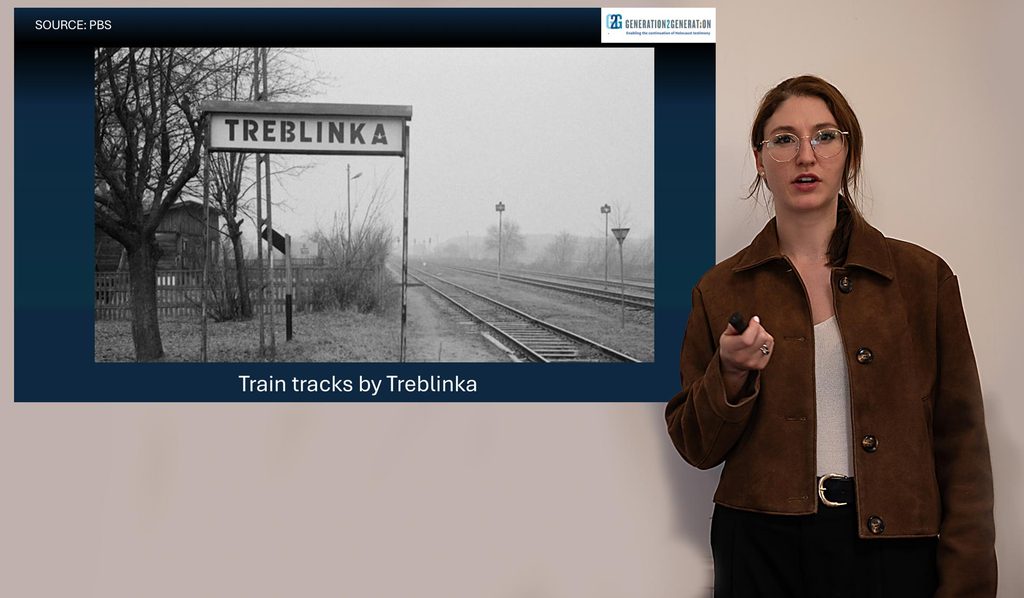
Presented by Eliana Ostro
Eliana is a writer who works in TV and film development. Descending from Holocaust survivors, the horrors that occurred were never relegated to history books but remained a trauma that has shaped her family and continues to be carried with them.
After her grandparents passed away, Eliana committed to sharing their stories however and wherever she could – to ensure that they, and their relatives who did not survive, are never forgotten and never again reduced to just numbers. Motivated by a world where antisemitism is again on the rise, she speaks publicly to remind audiences of the consequences of hatred.
Watch an excerpt from the story of Max Ostro