
The Story of Eva Schloss
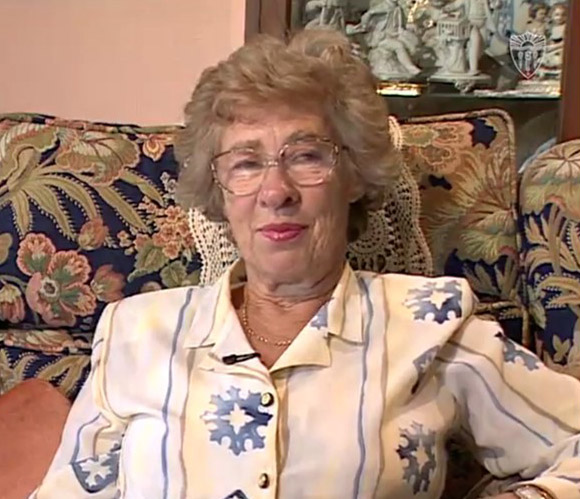
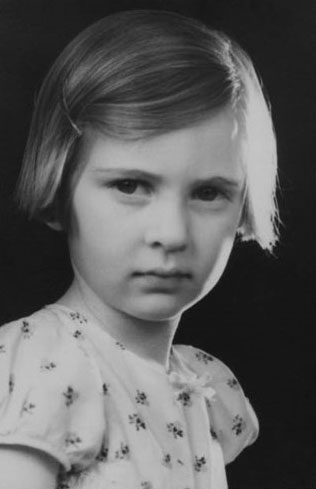
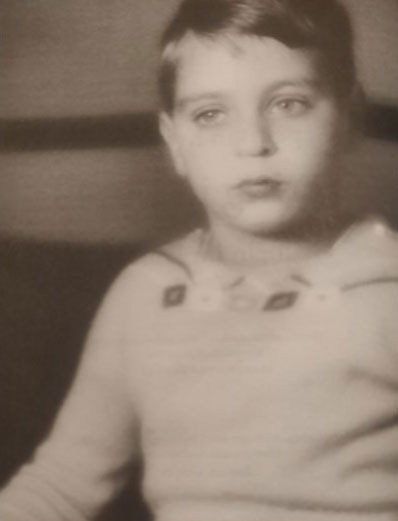
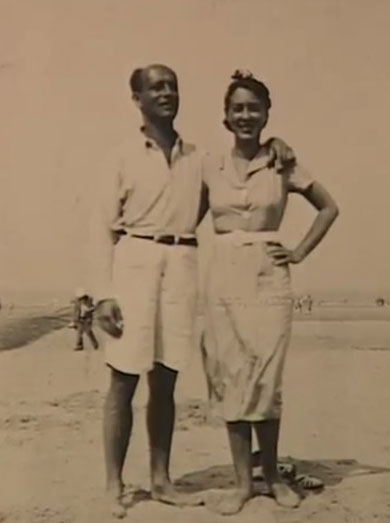
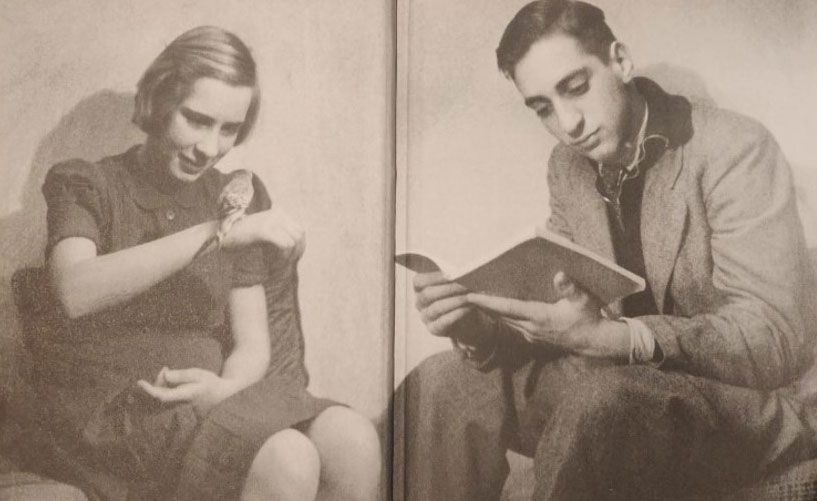
Eva Schloss was born in Vienna, in 1929, the youngest child of Erich and Elfriede Geiringer, a middle-class Jewish family. The family felt part of Austrian culture and they led a happy life. Eva’s brother Heinz was important to her; they had a close relationship.
When Eva was eight, everything changed. The Nazis entered Austria in 1938 with the Anschluss. Austrian attitudes towards Jews changed and anti-Jewish hatred became very open. Because Heinz was attacked by friends at school whilst his teacher watched, Erich and Elfriede decided they should leave Austria. In 1940, the family moved to Amsterdam. They found a flat in the Merwederplein, home to many Jewish refugees, including Anne Frank’s family.
When the Nazis invaded the Netherlands in May 1940, repression of Jews intensified. In 1942, Heinz received a notice to report for forced labour so the family went into hiding. Eva hid with her mother and Heinz hid with their father, moving between hiding places and evading searches. Heinz and Erich started painting and writing poems, but the whole family was betrayed and arrested in 1944. They were deported to Auschwitz, where Heinz’s last words to Eva were asking her to promise she would go back and retrieve his paintings if he did not survive the camps.
Eva and Elfriede survived eight horrific months in the camps until they were liberated by the Russians in January 1945, but Heinz and Erich were both murdered.
Eva and her mother made their way back to Amsterdam via Poland, Romania, Ukraine, Turkey and France. Elfriede married Anne Frank’s father, and in 1951, Eva moved to London to rebuild her life. As promised, she recovered Heinz’s poems and paintings from under the floorboards in his last hiding place.
Eva’s story is told by her grandson Eric Schloss using video testimony, photographs, and Heinz’s paintings and poems. Eric hopes that his presentation motivates people to use the past as inspiration to make positive change and avoid future atrocities.
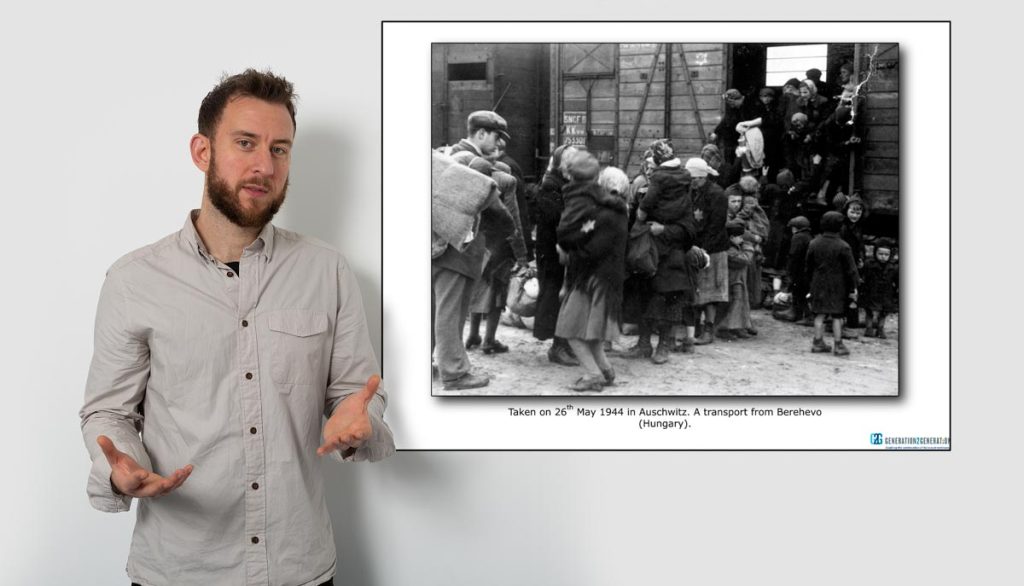
Presented by Eric Schloss
Eric worked in engineering technology/science and sustainability, including delivering solar energy programmes to marginalised young people. He is an experienced youth worker, having worked for several years with schools, and older students, in fields including knife crime, conflict resolution and global citizenship.
He works with charities which support unaccompanied young refugees, while training to become a psychosynthesis counsellor. He performs his poetry on the London open mic scene.
Eric is deeply inspired by his family history, his grandmother’s and maternal grandfather’s experience as a child refugee leaving Nazi Germany. By telling Eva’s story he hopes to educate and encourage young people to work towards peace and unity.